
Automotive Electrical Connectors: Key Features and Market Trends
By:Admin
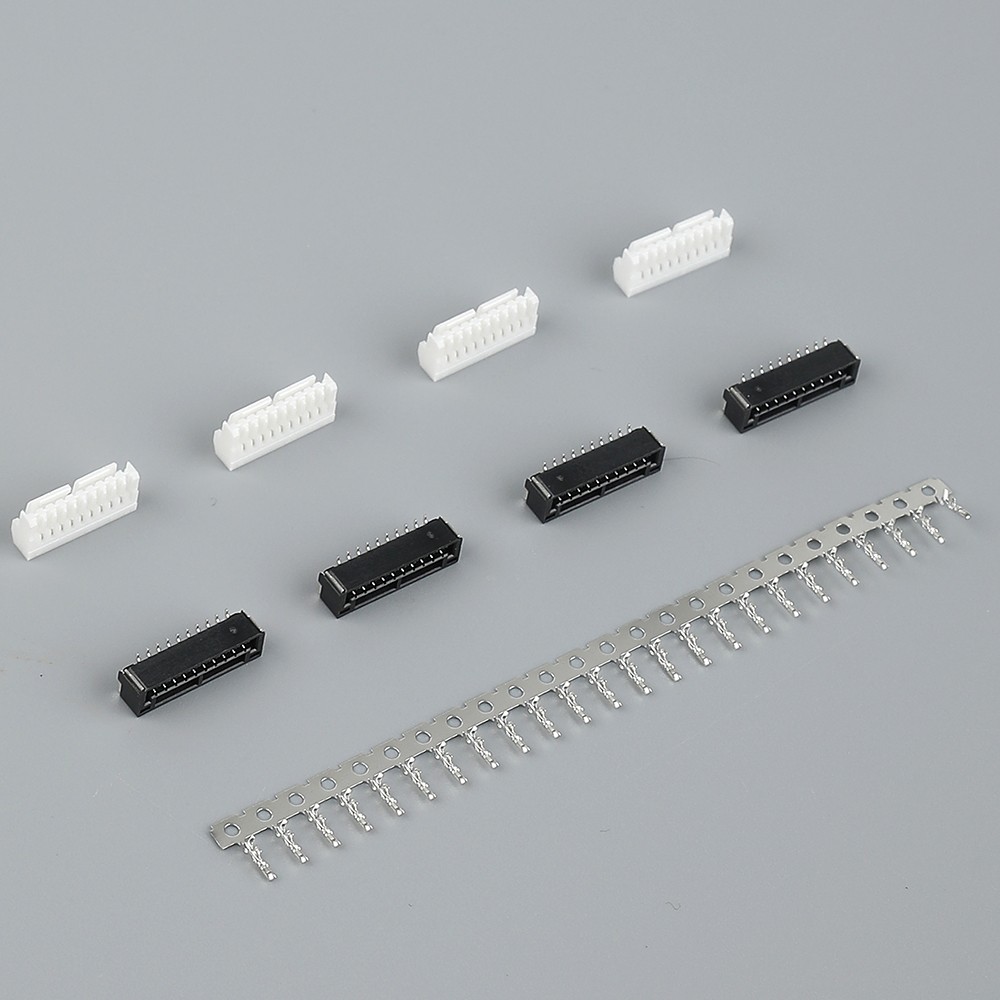
The automotive industry is experiencing a significant transformation, driven by the rapid integration of advanced electrical systems and the growing demand for smarter, more efficient vehicles. A pivotal element in this evolution is the development of automotive electrical connectors, which play a crucial role in ensuring reliable, high-performance connections throughout modern vehicles.
Automotive electrical connectors serve as the vital interface between wiring harnesses and vehicle components, facilitating the transmission of power and data. As vehicles incorporate increasingly complex electronic systems—ranging from infotainment and advanced driver-assistance systems (ADAS) to electric powertrains—the need for connectors that can handle higher data rates, withstand harsh environments, and ensure durability has never been greater.
Industry leaders have been investing heavily in research and development to improve the design, materials, and manufacturing processes of these connectors. Innovations in connector technology are enabling enhanced signal integrity, faster communication speeds, and greater resistance to vibration, moisture, and temperature extremes commonly encountered in automotive applications.
The expansion of electric vehicles (EVs) and hybrid models has further accelerated demand for specialized connectors capable of managing higher voltages and currents safely and efficiently. These connectors must comply with stringent safety standards and offer robust performance to support fast charging infrastructure and high-power battery systems.
Additionally, miniaturization trends in electronic devices require connectors with smaller footprints without compromising reliability. This has led to advances in micro-connector designs and the adoption of new materials that reduce weight while maintaining mechanical strength.
Automotive manufacturers and suppliers are also embracing modular connector solutions to simplify assembly, reduce production costs, and enhance vehicle customization. These modular systems allow for easier upgrades and maintenance, aligning with the growing emphasis on vehicle lifecycle management and sustainability.
The importance of connectors in electric and autonomous vehicles cannot be overstated. Reliable electrical connections are essential for the accurate functioning of sensors, cameras, lidar systems, and control units that underpin autonomous driving capabilities. Ensuring seamless connectivity among these components is critical to vehicle safety and performance.
Market analysts predict that the automotive electrical connector segment will continue to grow robustly over the coming years, driven by the global push toward electrification, connectivity, and automation. This growth presents opportunities for companies specializing in high-quality connector solutions to expand their market presence and contribute to the industry’s dynamic evolution.
In parallel with technological advancements, companies are prioritizing compliance with globally recognized standards and certifications to ensure product quality and compatibility across various vehicle platforms. This commitment to quality assurance builds trust among automakers and end-users alike.
The integration of smart manufacturing techniques, including automation, robotics, and digital quality inspection, is enhancing production efficiency and enabling rapid scaling of connector output to meet rising demand. These innovations reduce lead times and improve consistency, essential in an industry where precision and reliability are paramount.
As the automotive sector moves towards more connected and sustainable mobility solutions, the role of electrical connectors as enablers of innovation becomes increasingly clear. Their ongoing development supports the realization of next-generation vehicles that are safer, greener, and more enjoyable to drive.
---
**About the Company**
Established with a commitment to excellence in automotive components, the company has positioned itself as a key player in the design and manufacture of high-performance electrical connectors. Leveraging decades of experience and a strong engineering foundation, the company continuously innovates to meet the evolving needs of the automotive industry.
The company’s product portfolio includes a wide range of connectors tailored to various applications, from traditional combustion engines to cutting-edge electric and autonomous vehicle platforms. By integrating advanced materials, precision manufacturing, and rigorous testing protocols, the company ensures that every connector delivers exceptional reliability and performance.
Furthermore, the company prioritizes customer collaboration, working closely with automotive manufacturers and suppliers to develop customized solutions that address specific challenges. This client-centric approach fosters partnerships that drive mutual growth and technological advancement.
Sustainability is also at the forefront of the company’s operations. Efforts to minimize environmental impact include optimizing material usage, reducing waste during production, and adopting eco-friendly manufacturing processes. These initiatives align with global trends toward responsible industry practices and contribute to the broader goal of sustainable mobility.
With a robust global presence, the company supports its customers through a network of technical and sales teams, providing comprehensive after-sales service and technical assistance. This commitment ensures that clients receive timely support and benefit from the latest technological developments.
Looking ahead, the company continues to invest in innovation and strategic growth, aiming to maintain its leadership position in the automotive electrical connector market. By anticipating industry trends and embracing emerging technologies, the company aspires to shape the future of automotive connectivity and contribute to the realization of smarter, safer vehicles worldwide.